
(0)
0.78€
(0)The cart is empty





 Epoxy resin
 Artline Crystal Epoxy — universal (2- compone...
 High-viscosity Artline Honey epoxy for painti...
 Artline Wood PRO epoxy for tabletops casting ...
 Epoxy resin for tabletops and large castings ...
 Super-viscous epoxy Artline Extra Honey epoxy...
 Artline Liquid Plastic for casting moldings...
 Artline UV-resin (1-component)...
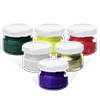 Dyes and pigments
 Liquid Artline Transparent Colorant for epoxy...
 Artline Pigment Paste for epoxy resin (20 g)...
 Artline Metallic Pigment powder, 10 g...
 Artline Alcohol Ink (20 ml)...
 Liquid potal lacquer-based...
 Fluorescent pigment powder (10 gr)...
 Alcoholic ink for drawing Petri Artline Petri...
 Artline Light Luminophore powder (10 g)...
 Fillers
 Stable decorative moss (20 g)...
 Potal flakes (jar), 20 gr...
 Polyester glitter — Artline Poly Glitter (10 ...
 Artline Foam-effect — powder to create the ef...
 Glass chips (fraction 3-10 mm), 200 gr...
 Set of seashells (3-8 cm)...
 Coral chips (fraction 1-2 mm), 200 gr...
Artline Liquid Plastic for casting moldings...
Coral chips (fraction 1-2 mm), 200 gr...
Artline Liquid Plastic for casting moldings...
 Set of dried flowers (5 pcs)...
 A set of dried flowers in a vacuum packaging...
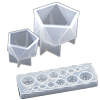 Molds, forms
 Coasters "Geode" (geode) with a boa...
 Coasters "Leaves", silicone molds s...
 Cup holders "Geode", prefabricated ...
 Drop pendants, 3 pcs, silicone molds...
 Elongated pendants, 5 pcs., silicone molds...
 Mini drill set + drill bits + hooks...
 Pendants (keychains) prefabricated 13 shapes,...
 Pendants "Circles on the water", si...
 Pendants "Embossed" from 2 parts, s...
 Pendants precious stones, 4 pcs, silicone mol...
 Relief pendants, 3 pcs, silicone molds...
 Small pendants of various shapes, silicone mo...
 Sphere 5 cm, silicone mold...
 Cup holders, silicone molds 9-14 * 8 mm...
 Flat octagons, silicone molds (10 mm thick)...
 Charms, silicone molds ...
 Hexagons , silicone molds (10 mm thick)...
 Hello Kitty silicone mold...
 Ring bracelet, silicone mold...
 Coasters "Geode", prefabricated sil...
 Gemstones prefabricated, 40 molds, silicone m...
 Pendants (keychains) prefabricated 12 molds, ...
 Cup holders 4 pcs. (21cm) prefabricated silic...
 Cubes, set of silicone mouldings (5 forms)...
 Faceted cup holders, silicone molds...
 5 spheres, set of silicone molds...
 Jewelry set of silicone molds...
 Cabochons (lenses) of different shapes, prefa...
 Cabochons (lenses) round 5-30 mm, prefabricat...
 Cabochons (lenses), precast silicone mold...
 Rings and silicone molds (6 forms)...
 Rings 17-22 mm, prefabricated silicone mold (...
 Crystals, set of silicone molds ...
 Comb (hairbrush), silicone mold...
 Instruments
 Round painting tablet (artboard) ...
 Square painting tablet (artboard)...
 Drawing tablet (artboard) cut stone, geode...
 Drawing tablet (artboard) geometric shapes ...
 Drawing tablet (artboard) sea stone...
 Drawing tablet (artboard) leaves...
 Drawing tablet (artboard) cut a tree...
 Drawing tablet (artboard) monstera...
 Set for working with resin...
 Electronic scales (up to 5 kg)...
 Gas burner with piezo ignition...
 Portable electronic scales (up to 500 g)...
 Electronic scales (up to 5 kg)...
 Portable gas torch with piezo ignition...
 Pipettes measuring 3 ml (5 PCs)...
Round painting tablet (artboard) ...
Square painting tablet (artboard)...
Drawing tablet (artboard) cut stone, geode...
Drawing tablet (artboard) geometric shapes ...
Drawing tablet (artboard) sea stone...
Drawing tablet (artboard) leaves...
Drawing tablet (artboard) cut a tree...
Pipettes measuring 3 ml (5 PCs)...
Round painting tablet (artboard) ...
Square painting tablet (artboard)...
Drawing tablet (artboard) cut stone, geode...
Drawing tablet (artboard) geometric shapes ...
Drawing tablet (artboard) sea stone...
Drawing tablet (artboard) leaves...
Drawing tablet (artboard) cut a tree...
 Interior wood oil, 100 ml ...
 Concealer (spray) for removing bubbles from t...
 Separator-lubricant (glossy surface) for epox...
 Artline Wax Separator spray (200 gr)...
 Portable gas torch with piezo ignition...
 Measuring cup silicone (reusable)...
 Art case for smartphone (for filling with re...
 Set of tools for working with clay (11 pcs)...
Drawing tablet (artboard) monstera...
Set of tools for working with clay (11 pcs)...
Drawing tablet (artboard) monstera...
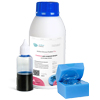 Silicones
 Creative kits
 Art set for creating an interior picture pain...
 Creative set for creating cup holders (geode)...
 Creative set of epoxy resin "Leaves"...
 Large (40cm!) Premium art set for creating an...
 Large (40 cm) set for creating an interior pa...
 Art Set for creating an interior painting fro...
 Set for creating a smartphone cover made of e...
 Courses and workshops
For small or layered fillings, prepare two 500 ml plastic cups. On an electronic scale, measure out the required amount of components A and B. Resin ratio (see instructions). Then stir gently for 3-5 minutes with a wooden spatula or spatula. Transfer the mixture to another glass and stir again. Be sure to use the “two glasses” rule. Unmixed components may remain on the walls and the fill may not harden in places. To prevent the resin from getting too hot, we recommend using containers with a wide mouth. Large batches are mixed with a drill at low speeds with a construction whisk. Let the resin stand for a few minutes to release bubbles and start pouring.
Artline resins lend themselves equally well to finishing with both hand tools and professional machines. Also, amenable to drilling. In this case, it does not chip, but is removed by shavings.
Store in a dark place from +15 to + 25C in a tightly closed container - 1 year. Practice shows that the shelf life is much longer. Over time, the resin tends to be sugared, like honey. If you are faced with this, do not rush to dispose of it. Place the canister on a battery or in a bowl of water, about 60-80 degrees. Within an hour, the component will return to its working state without losing its chemical properties. The main thing is not to overheat, otherwise it will boil. The lack of flakes and high fluidity will be an indicator of readiness to work for you. There is a mass left after the project, and you plan to use it within a couple of days, then cover the glass with cling film and put it in the freezer. Heat in a water bath before use.
As long as the resin is sufficiently liquid, the bubbles are removed by heating. You will need a hair dryer, hand torch, or lighter. Lightly direct a warm stream onto the surface, this relieves surface tension. The air will come out on its own. Large bubbles are repaired when the mass is not completely frozen. Poke the bladder with a syringe needle, then inject resin into the cavity. No trace of the restoration will be seen.
Fundamental rules:
The list is not long, as resins work like glue. The matte and gloss of the final look depends on the material used for the formwork.
When moisture comes into contact with epoxy, the latter does not freeze. Therefore, you cannot:
After the resin has completely hardened, it is not afraid of water.
Formula for calculation:
Rectangle or square: length (cm) * width (cm) * thickness (cm) * 1, 1 = resin gram.
1.1 g / cm3 is the density of the resin
Round, cylindrical: 0.8635 * diameter (cm) * diameter (cm) * thickness (cm) = resin gramthe resulting weight is always in grams.
Round up.Use the calculator on the website. If you are a beginner and want to try, then 1 kilogram of resin is enough for a 30x30 fill, one centimeter thick.
Yes, as on any surface from constant exposure. Scratches can be sanded and polished, depending on the depth of the cut. Alternatively, you can apply a thin layer of resin like a varnish. We recommend covering kitchen tables with polyurethane varnish. It is at times resistant to mechanical damage and is used in furniture factories.
Wood-PRO is specially designed for the table. Adapted for a curing time of 3 days and a possible layer height of up to four centimeters.For slab projects we recommend Monolith. Cuts and slabs have a natural thickness of 5-8 cm.
This resin allows you to withstand a layer of up to 10 cm.The above resins contain a flexibility plasticizer.
Wood under the influence of moisture and temperature tends to expand and contract. The presence of a component in the composition of the resin prevents the fabric from breaking and chipping.
Yes, all epoxy resins, due to their chemical composition, can change their color towards a yellow tint over time. This is facilitated by UV rays, oxygen, organic fillers, cheap acrylic paints, storage in polyethylene. For a longer colorless state, UV additives are added to our resins, they permanently protect the resin from yellowing.
Bubbles appear in the thickness due to mixing of the resin. They go out on their own during working hours. The appearance of bubbles along the edge indicates that the formwork was below 20 degrees. Due to the temperature difference, hot resin and cold framework, hydrogen gas is released. Always keep an eye on the room temperature and the materials you use. If they are cold, then preheat to 20-23 degrees. Large bubbles come out of wood or voids in the layout. While the resin is still liquid, you can use a syringe needle to help release the air. Restoration will be required after hardening.
When the resin is mixed with the hardener, an exothermic reaction occurs with the release of heat. In a large volume, the resin is likely to boil. After 20 minutes after mixing, the composition becomes warm (Artline Crystal Epoxy resin). This is a sign that the polymerization process is beginning and if the compound is not given the specified plane and thickness (see the instructions for the resin), boiling may occur, i.e. the mass will become very hot, turn yellow, curl up into jelly-like lumps with a lot of bubbles.It is important to transfer the heating resin to the project in time. With an increase in the area, the atmosphere will take away excess heat and boiling will not occur.
Jewelry resin is optimized for home use. Odorless and has a small percentage of shrinkage, evaporation. It is imperative to protect the skin of the hands with gloves, and the respiratory tract with a mask, in order to avoid allergic reactions. In a solid state, epoxy is absolutely harmless. It does not absorb or release any substances. Technical resin has a pungent odor and strong fumes of harmful substances. It is worth taking care of a special room with good ventilation, protective equipment and a suit for the master. Some of those. solid formulations are harmful to health.
The hardener is a resistant chemical and epoxy freezes at low temperatures. It looks like thick white flakes at the bottom of the container. Having received such a product, it is necessary to leave the canister in a warm room for several days. If faster use is required, place the bottle in a 60-degree cup of water for about 30-60 minutes. As soon as the white lumps dissolve, the mass can be used.
The polishing process depends on the product itself. Jewelry can be polished at home. If we are talking about a table, then there are two options. Contact a specialist workshop or auto repair shop. If you want to do it yourself, then you will need: Grinder, abrasives. High-quality polishing is not possible without grinding.
You will need: Sandpaper, 120 to 3000 grit discs
3M Car Polishing
PastesIf this option is not suitable for you, you can coat the item with a thin layer of resin after sanding. The resin glides perfectly with a matte surface and the product becomes transparent and glossy.
Products may turn yellow in the sun. If you intend to use products in the sun, we recommend adding a blue-violet color to the resin in order to level the yellowness in transparent fillings. From + 60C degrees and above, the product can soften and deform. Once the heat source is gone, the resin will harden again. Any resin will withstand minus values. At low temperatures, you should focus not on the resin, but on the filling of the project. Wood, stones, metal have their linear expansion in frost, and they can split the resin with movement. If you plan to use the final product both outdoors and indoors, buy a resin with a flexibility softener, we recommend Artline Monolith resin. This substance allows you to withstand the vibrations of the material and does not split the resin.
Phosphorescent powder glows due to the accumulated light. Sunlight gives a longer glow than artificial light. Natural light allows you to glow for about 4-5 hours. Room for 2-3 hours. Also, the period depends on the quality of the phosphor.
We recommend using our line of colorants, pigment pastes and powders. They have been tested and we guarantee a quality result. At the same time, ARTLINE resin can work with a variety of colors: automotive, alcohol, art, watercolor, ink for pens and printers, soap paint and others. Read the composition before use. There should be no water in it. Water-based dyes are not recommended. The paint will not mix with the composition and settle to the bottom, and the polymer will not harden.
Allow it to gain viscosity in a mixing container. After mixing for 5-7 minutes, let the mixture stand for thirty or forty minutes. Use a stick to catch the required consistency. As soon as it stops merging from the stick, you can apply it to the project. If you are pouring a painting, we recommend sticking masking tape with a 1 cm border around the perimeter, this will prevent resin leakage.
1) The proportion is out of order, the hardener is not enough for the resin. This happens when the measurement is made not by weight, but by volume, for example, with syringes.
2) The temperature regime has not been observed. All materials and workshop should be in the 20-23 degree range. In this case, be patient. The resin will harden, but it will take several weeks.
3) High humidity destroys the composition of the compound and prevents solidification. There should be no plants in the room, and the humidity indicator should be less than 50%. Work with wood with a moisture content of less than 10%. Violation of this indicator cannot be corrected. The project will be ruined.
We do not recommend pouring resin on live plants, they have moisture, and in the fill they can rot and spoil your product. For such decorations, choose dried flowers, stabilized moss, or be sure to dry the plants in a book, semolina or oven before pouring. Cover the plant with PVA glue or hairspray before casting. This will exclude the penetration of biomaterial and prevent the resin from staining at the junction.
It is forbidden. The mass should be diluted in a strict ratio indicated in the instructions. If you previously added more hardener than required, then the product will have increased fragility. The resin can only be activated with the hardener provided by the manufacturer. This is a guarantee of the quality of the final result.
The assortment is thought out for the main requests of creative ideas.
Monolith - For projects up to 10 cm thick at a time.
Wood-PRO - for creating worktops.
Fill height up to 4 cm in one layer.
Crystal - jewelry, jewelry, decorative items. Versatility allows you to embody any idea.
Honey - for drawing in the Resin Art style. The increased viscosity allows for dome formation and inhibits active mixing of paints.
For quick fillings choose Artline Crystal Epoxy or Crystal Honey resins, for clean, bubble-free fillings, Wood Pro and Monolith long-cure resins are suitable.
Pot life is the period of time during which the epoxy is kept liquid at a given room temperature. Second name, working hours. It starts at the moment the compounds are connected and is divided into stages. After mixing, the epoxy remains in a liquid state and you can work with it for a certain time. Each resin has its own time range, from 40 minutes to 4 days. Then it gains viscosity, turning into a gel (it is impossible to work with the resin), then it becomes rubbery. At this stage, you can shape the product. After that, the resin gains strength and cures.
No. To do this, you need to change the data of the recipient's full name, but this can be done only at the main terminal of your city, it may take time to send the order back and forth. Take care of this in advance, it is better to do this when placing an order or when it is on the way.
Delivery cost depends on weight, tariffs and remoteness of your city. There is a pick-up point for Moscow residents, delivery in this case will be free. For residents of other regions, all orders are sent from Vladimir. Do you want to place an order or find out the cost of delivery to your city? You can contact us via chat, messenger or call our free phone number.
Yes, you can if you are a resident of Moscow. For other regions of the Russian Federation, if you are making your order for the first time, you must pay the shipping cost, and pay for the order at the point of issue or to the courier. On subsequent orders, we can send you the goods with payment upon receipt. But in this case, you will be charged a cash on delivery commission, be prepared for this. Sending to other countries is carried out with 100% prepayment.
Delivery abroad is possible by EMC by Russian Post, but the weight cannot exceed 20 kg. Please note that Artline will provide you with a declaration and tracking number to track your package, but delivery time and availability are subject to national customs regulations. Artline will refund the cost of the products, but we will not be able to reimburse the shipping cost in the event that the customs does not release or admit it.
В данной категории нет вопросов
 Liquid silicone for molds Artline Silicone PR...
  Artline Silicone Platinum — for casting forms...
  Video course on working with epoxy resin (11 ...
  Video course "Table-river" by Maxim...
